
For hemophilia patients, January brings out-of-pocket maximum woes
Some reach the maximum with the first annual delivery of factor medication
Written by |

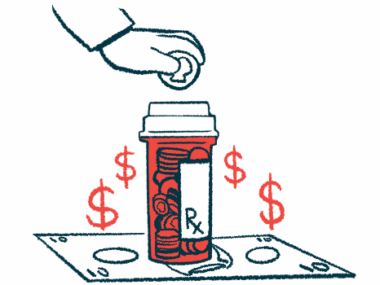
Out-of-pocket maximum: This term is used by health insurance companies to inform customers of the maximum amount they may have to pay in a year for covered medical care, excluding premiums. Once this maximum is reached, the insurance plan covers 100% of eligible medical expenses for the rest of the year.
Out-of-pocket maximums can be significant, though: 2024 limits for Affordable Care Act-compliant plans were $9,450 for individuals and $18,900 for families, for example, though some employer or non-ACA plans may have had different amounts. The intent behind out-of-pocket maximums is to protect patients from catastrophic financial loss due to severe illness or injury.
This works well for many people, especially those who are healthy. But for those in the hemophilia community, these out-of-pocket maximums can cause a yearly struggle that brings significant distress. Every January when my insurance deductible and out-of-pocket maximum reset, I find my stress rising. I must prepare well because I know I am going to be hit hard every January.

New year, indeed
Like many people living with hemophilia in the U.S., I reach my full out-of-pocket maximum with my first yearly delivery of factor VIII (FVIII) medication, which helps my blood clot. One FVIII order is enough to bring me to my out-of-pocket maximum in the first month of every year. While out-of-pocket maximums are intended to safeguard most people from high costs, families with hemophilia often face enormous expenses at the start of each year. For some, these January bills can be overwhelming. Sadly, some individuals are forced to delay their FVIII orders because they simply cannot afford the out-of-pocket maximum in January, immediately following the holiday season.
I’m lucky, as my current out-of-pocket maximum is lower than in prior years. Even so, I start saving by summer to ensure I have enough to cover that expense when it hits me. This can be hard. I’ve had a year full of many unexpected medical expenses and medical travel to two different states. I’ve had to dip into funds needed for home improvement and repairs in order to pay for the necessary medical care to get my health on track.
Reflecting on the cost of my lifesaving medication, it seems astonishing. I recently underwent surgery to correct a rare vascular compression disorder called superior mesenteric artery syndrome. The surgery was lifesaving, allowing me to eat again after I had experienced severe weight loss because I couldn’t eat solid food for four months. A single dose of FVIII to promote blood clotting and ensure my safety during surgery cost significantly more than the surgeon’s fee. And that was just one of the several daily doses required for proper healing.
I’m watching the surgery bills start to roll into my insurance company. I’m sure the normal surgical and hospital stay expenses will continue to mount. Yet, it is clear that the cost of the FVIII I needed the week I was in the hospital will be significantly more than all the other expenses combined. Thank heavens I have good insurance; without it, I couldn’t access medication.
Which brings me back to the beginning: January is a difficult month for many families with hemophilia. Some individuals qualify for manufacturer copay assistance programs, which help cover out-of-pocket expenses. However, copay accumulator adjustment programs adopted by some insurers prevent these assistance funds from counting toward a patient’s out-of-pocket maximum. As a result, patients bear the full financial burden each year, despite receiving copay help. This practice has been widely criticized by patient advocacy groups and is subject to evolving state and federal regulations.
There are financial assistance programs available to the community that can help ease the burden. However, these programs often cannot provide funds to cover the immense need. I try to be sensitive and offer extra support to my friends during this time. Most of us figure out some way to pay the hefty expenses in January of each year. We have to because our lives depend on it.
Note: Hemophilia News Today is strictly a news and information website about the disease. It does not provide medical advice, diagnosis, or treatment. This content is not intended to be a substitute for professional medical advice, diagnosis, or treatment. Always consult your physician or another qualified healthcare provider with any questions you may have regarding a medical condition. Never disregard professional medical advice or delay in seeking it because of something you have read on this website. The opinions expressed in this column are not those of Hemophilia News Today or its parent company, Bionews, and are intended to spark discussion about issues pertaining to hemophilia.


Martin Theaker
Reading this makes me eternally grateful to have full and unlimited access to our free National Health Service the UK
The burden faced by many families with someone already suffering with Haemophilia must be a huge one to carry alongside the stress and anxiety of frequent bleeds.
We’re lucky to be able to call on and receive treatment as we need it, many haemophiliacs around the world don’t have the same options.
G Shellye Horowitz
Thank you for sharing - it does put an important light on socialized medicine vs countries that refuse to adopt that standard of care for their citizens.
Allyx
We have a very similar experience here in the Philippines! There's a government-run nationwide charity organization that helps us get access to medication that would otherwise be too costly to obtain. My husband's Factor IX is one such medication. We're allowed to process a new request every 2 months. Because the monetary allotment isn't an exact match to the number of doses, we must also pay a certain (not insignificant!) amount out of pocket in order to get the full prescribed dose. It gets sooo expensive!
G Shellye Horowitz
Thank you so much for sharing this! It is so stressful for all of us to ensure we can fund our medications!