
Advanced joint disease alters how hemophilia patients walk: Study
Maintaining ankle mobility for as long as possible ID'd as primary therapeutic goal
Written by |

- Advanced joint disease in hemophilia alters walking patterns, likely due to reduced ankle mobility.
- Patients show less efficient gait, increased energy use, and altered foot pressure distribution.
- Maintaining ankle mobility through physiotherapy and regular checks is a primary goal.
People with hemophilia, particularly those with more advanced joint disease, or hemophilic arthropathy, show altered walking patterns likely linked to reduced ankle mobility, a new study in Germany has found.
To cope with these gait alterations, people with hemophilia may develop compensatory strategies that could make walking less efficient and require more energy, researchers hypothesized.
Therefore, maintaining ankle mobility “for as long as possible” should be a “primary therapeutic goal” in people with hemophilia, researchers wrote.
The study, “Gait Pattern at Different Speeds in Persons With Haemophilia,” was published in Haemophilia.

Hemophilia patients tend to walk more slowly, expend more energy
Hemophilia encompasses a group of disorders marked by the inability of blood to clot properly due to missing or defective clotting proteins. As a result, people with the condition may experience prolonged and easy bleeding, particularly into the joints.
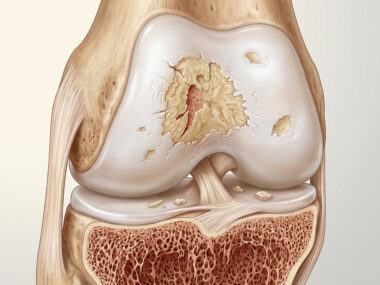
Over time, repeated joint bleeding can cause hemophilic arthropathy, a progressive joint disease that leads to joint deformities, pain, and reduced joint mobility. The condition mainly affects large joints, such as the ankles and knees, often impairing walking.
Previous studies have shown that people with hemophilia tend to walk more slowly, expend more energy while walking, and show altered pressure distribution across the foot compared with healthy individuals.
However, researchers noted that it remains unclear to what extent reduced joint mobility directly affects walking patterns and alters ankle and knee movements, particularly at different walking speeds.

No major differences found in maximum foot pressure across groups
To address this gap, a team of German researchers assessed joint status and analyzed walking patterns in 30 men with severe hemophilia A or hemophilia B and 31 healthy men of similar age and body weight. The study was conducted between April 2021 and December 2022 at the University of Bonn.
Based on ankle and knee scores from the Hemophilia Joint Health Score, a clinical tool used to assess joint damage and mobility, participants with hemophilia were divided into two groups of equal size: one with milder hemophilic arthropathy and another with more advanced disease.
Researchers found no significant differences in maximum pressure across foot regions between people with hemophilia and healthy participants when walking at different speeds. Similar findings were observed when comparing patients with milder or more advanced hemophilic arthropathy.
To evaluate pressure distribution more comprehensively, researchers divided the stance phase of walking — the period when the foot is in contact with the ground — into two halves and compared pressure patterns between groups.
This analysis showed that patients with more advanced hemophilic arthropathy exerted greater pressure during the first half of the stance phase than both healthy participants and those with milder joint disease, and lower pressure during the second half than healthy individuals, particularly at faster walking speeds.
When researchers analyzed joint angles during walking, they found no significant difference in knee extension or flexion between people with hemophilia and healthy participants, including among patients with milder or more advanced joint disease.
This compensation could be the reason why [people with hemophilia] expend more metabolic energy during walking, as their gait is more inefficient; however, this was not measured in this study and can therefore only be assumed. Nonetheless, maintaining ankle joint mobility for as long as possible should be the primary therapeutic goal.
However, differences emerged at the ankle joint. Compared with healthy individuals, people with hemophilia showed reduced dorsiflexion and plantar flexion — upward and downward ankle movements needed for efficient walking — especially at faster walking speeds.
These changes were more pronounced among participants with more advanced hemophilic arthropathy.
According to the researchers, the findings suggest that reduced ankle mobility, particularly in people with advanced hemophilic arthropathy, may contribute to altered gait patterns observed during walking. Specifically, limited dorsiflexion and plantar flexion may help explain the reduced pressure generated during the second half of the stance, or the push-off stage of walking.
The researchers also noted that, despite joint damage and pain, the observed gait differences were less severe than expected, suggesting that people with hemophilia may develop compensatory strategies to help maintain walking ability.
“This compensation could be the reason why [people with hemophilia] expend more metabolic energy during walking, as their gait is more inefficient; however, this was not measured in this study and can therefore only be assumed,” the researchers wrote. “Nonetheless, maintaining ankle joint mobility for as long as possible should be the primary therapeutic goal. Consisting of low-impact sports, physiotherapy, and regular routine checks of the joints, is key to long-term joint health.”




Leave a comment
Fill in the required fields to post. Your email address will not be published.